Please ensure Javascript is enabled for purposes of website accessibility

Stem Cell Therapy for Joint Damage in Redmond, WA

Stem cell therapy for joint damage in Redmond, WA, may offer a compelling alternative for patients who want to address the root causes of joint deterioration rather than simply manage symptoms. At Axis Stem Cell Institute, patients throughout the Redmond area work with Bryn Renda, PA-C, a nationally board-certified Physician Assistant whose background as a retired professional athlete gives her a deeply personal understanding of how joint pain affects daily life. If you are ready to explore regenerative options, contact us today to schedule a consultation.

Stem Cell Therapy for Joint Damage in Redmond, WA: What You Need to Know

Joint and cartilage damage can develop gradually through osteoarthritis, repetitive strain, or sports-related wear, or it can result from a specific injury. Either way, the impact on mobility and quality of life can be significant. Stem cell therapy for joint damage in Redmond, WA, works by introducing concentrated regenerative cells to the affected area, where research suggests they may support the body’s natural repair processes, reduce inflammation, and promote the regeneration of damaged tissue.

Your experience at Axis Stem Cell Institute begins with a thorough consultation. We will review your medical history, discuss your joint concerns and symptoms, and assess whether stem cell therapy for joint damage is appropriate for your situation. This conversation also addresses gut health and systemic inflammation, since these factors play an important role in how the body responds to regenerative therapy.

If you are determined to be a good candidate, Bryn will outline a personalized protocol designed around your specific joint condition. Therapy sessions are typically well tolerated, and most patients are able to resume light activity relatively soon after. Downtime varies by individual and by the joints being treated.

For patients in Redmond who prefer added flexibility, the mobile concierge option allows therapy to be administered in the comfort of your own home within the Seattle area. Most patients appreciate the convenience this provides, particularly during an initial therapy series. Follow-up appointments are an important part of the process. Progress is monitored over time, and protocols may be adjusted based on how your body responds. For patients curious about additional regenerative options that may complement joint therapy, our stem cell sports therapy resource provides helpful context on how athletes and active individuals approach recovery.

Why Choose Axis Stem Cell Institute for Stem Cell Therapy for Joint Damage in Redmond?

Patients in Redmond, WA, choose Axis Stem Cell Institute because of the combination of clinical expertise, personal experience, and genuinely individualized care. Bryn Renda, PA-C, is a nationally board-certified Physician Assistant who specializes in regenerative medicine. As a retired professional athlete, she has lived through the kind of joint injuries that bring many patients through the door, and that background shapes how she listens, evaluates, and treats. The practice serves patients from Redmond as well as nearby communities, including Kirkland, Bellevue, Sammamish, Bothell, and the greater Seattle area. Bryn sees patients in Kirkland on a rotating schedule, and the mobile concierge service extends personalized regenerative care directly to patients who value at-home therapy.

Beyond joint care, Axis Stem Cell Institute offers a broad therapy menu that spans neurological therapies, metabolic support, autoimmune conditions, and aesthetic applications, making it a comprehensive destination for patients who take a whole-body approach to their health. Whether you are a competitive athlete, a weekend hiker, or simply someone who wants to move through life with more comfort and confidence, the team is committed to helping you invest in your long-term wellbeing.

Frequently Asked Questions About Stem Cell Therapy for Joint Damage in Redmond, WA

What types of joint conditions may respond to stem cell therapy?

Research suggests that stem cell therapy may benefit patients dealing with osteoarthritis, cartilage wear, tendon injuries, and other degenerative joint conditions. Patients with chronic knee, hip, shoulder, and ankle concerns frequently inquire about this approach. Candidacy depends on the severity and nature of the condition. A personalized consultation with Bryn Renda, PA-C, is the best way to determine whether this therapy may be appropriate for your specific situation.

How long does it typically take to notice results?

Most patients report that noticeable changes develop gradually over several weeks to months following therapy. Because regenerative therapies work with the body’s natural repair processes, results are not typically immediate. Some patients report early improvements in comfort and mobility, while others notice more significant changes over a longer period. Individual results may vary, and follow-up appointments help monitor progress and guide any adjustments to the therapy plan.

Is stem cell therapy for joint damage safe?

Stem cell therapy is generally well tolerated by most patients when administered by a qualified provider using appropriate protocols. As with any medical therapy, there are potential risks and considerations to discuss during your consultation. Bryn Renda, PA-C, will review your health history and any relevant factors to help you make an informed decision. No therapy is entirely without risk, and thorough informed consent is part of the process at Axis Stem Cell Institute.

Do you serve patients from Kirkland, Bellevue, and other nearby communities?

Yes. Axis Stem Cell Institute serves patients from Redmond as well as Kirkland, Bellevue, Sammamish, Bothell, and the broader Seattle area. Bryn Renda, PA-C, sees patients at the Kirkland location on a rotating monthly schedule. The mobile concierge IV stem cell therapy service also extends care directly to qualifying patients throughout the Seattle area, offering a flexible option for those who prefer at-home therapy.

Where is Axis Stem Cell Institute located, and how do Redmond patients access care?

The Washington location is in Kirkland, making it conveniently accessible for patients coming from Redmond and the surrounding communities. Bryn practices in Kirkland for one week each month, with the remainder of her schedule based in Florida. Patients are encouraged to plan consultations accordingly. The mobile concierge service is an additional option for eligible patients in the greater Seattle area. Contact the practice directly for current scheduling details.

Can stem cell therapy be combined with other regenerative therapies?

In many cases, yes. Bryn Renda, PA-C, takes a whole-body approach to care and may recommend complementary therapies depending on your overall health picture. Options such as stem cell metabolic therapies or peptide and NAD therapy may be incorporated into a broader wellness plan. The goal is always root-cause therapy rather than isolated symptom management. Your consultation will address which combination of therapies, if any, may be appropriate for your individual needs.

Take the Next Step Toward Joint Recovery in Redmond, WA

If you have been searching for stem cell therapy for joint damage in Redmond, WA, Axis Stem Cell Institute is ready to help you explore your options. Bryn Renda, PA-C, brings nationally recognized credentials and a genuine personal commitment to regenerative care. Call us today to schedule your consultation today.

Bone Marrow Derived Stem Cell Therapy in Redmond, WA

Bone marrow-derived stem cell therapy near Redmond, WA, offers a regenerative medicine approach for patients dealing with chronic pain, joint degeneration, and musculoskeletal conditions. At Axis Stem Cell Institute, we use bone marrow stem cells harvested directly from your body to support the natural healing process and help regenerate damaged tissue. Our cell therapy protocols are designed to address the underlying biology of pain and dysfunction rather than simply managing symptoms. If you are ready to explore whether stem cell therapy may be right for you, call us at (206) 415-2947 or schedule a consultation online.

What Is Bone Marrow-Derived Stem Cell Therapy?

Stem cells are undifferentiated cells with the ability to differentiate into many cell types, including cartilage, bone, muscle, and connective tissue. Bone marrow-derived stem cells are drawn from a rich source within your own body: the pelvic bone. Once extracted, these cells are concentrated and injected directly into the site of injury or degeneration during the same appointment.

Among the most studied cell types in regenerative medicine are mesenchymal stem cells and hematopoietic stem cells. Mesenchymal stem cells, in particular, have demonstrated a strong ability to support repair and reduce inflammation in musculoskeletal tissues. These adult stem cells have a well-established profile compared to embryonic stem cells, which carry ethical and clinical considerations of their own.

Platelet-rich plasma is often used alongside bone marrow-derived stem cell therapy to amplify the regenerative response. Growth factors found in platelet-rich plasma work alongside stem cells to create a more supportive environment for tissue regeneration. Together, they help the body heal from within rather than masking pain with systemic medications or invasive surgery.

Conditions That May Benefit from Stem Cell Therapy

Stem cell therapy may help patients who are suffering from a range of orthopedic and musculoskeletal conditions. The therapy is designed to regenerate damaged tissue, support healthy cells, and address the source of chronic pain at a cellular level.

Conditions commonly addressed with our cell therapy protocols include:

  • Knee pain and joint pain related to cartilage wear or injury
  • Osteoarthritis affecting the knees, hips, or spine
  • Soft tissue injuries involving tendons, ligaments, and muscles
  • Degenerative disc disease and spinal pain
  • Chronic pain conditions affecting the musculoskeletal system
  • Injured tissue from sports or repetitive strain

Stem cell therapy is not a substitute for emergency surgical care when surgery is clinically necessary. However, for many patients, it represents a non-invasive option that may reduce the need for more aggressive interventions. Individual results may vary, and candidacy is determined through a thorough evaluation with our expert team.

To find out whether bone marrow-derived stem cell therapy may be appropriate for your condition, call (206) 415-2947 or contact us to schedule your consultation.

Who Is a Good Candidate for Bone Marrow Stem Cells?

Ideal candidates for bone marrow stem cell therapy are patients experiencing chronic pain or functional limitations related to joint, spine, or soft-tissue conditions who are seeking regenerative options before surgery. Patients who have not found lasting relief through conventional therapies are often good candidates for our marrow-derived stem cell protocols.

You may be a strong candidate if you:

  • Are suffering from chronic joint pain or cartilage degeneration
  • Have been diagnosed with osteoarthritis or degenerative conditions
  • Want to explore non-invasive options before considering surgery
  • Are looking for a holistic approach to healing and well-being
  • Are in generally good health with no active cancer or blood disorders
  • Want to use your body’s own cells rather than synthetic therapies

Because we only use live cells derived from your own body, the therapy carries fewer risks associated with donor material or foreign substances. Your provider will evaluate your health history, imaging, and goals during your consultation to determine whether this therapy is appropriate for you.

The Stem Cell Procedure: What to Expect

The bone marrow-derived stem cell procedure at Axis Stem Cell Institute is completed in a single day at our on-site, state-of-the-art surgery center in Kirkland, WA. We serve patients throughout Redmond, Bellevue, Kirkland, Sammamish, and the greater Seattle area, offering accessible, expert care close to home.

Here is how the process typically unfolds:

Consultation and Evaluation: Your journey begins with a detailed consultation. Dr. Wilson Chang, a physical medicine physician specializing in spinal pain rehabilitation and intervention, and Bryn Renda, a board-certified Physician Assistant specializing in regenerative medicine, will review your history, examine your condition, and help you understand whether stem cell therapy aligns with your goals.

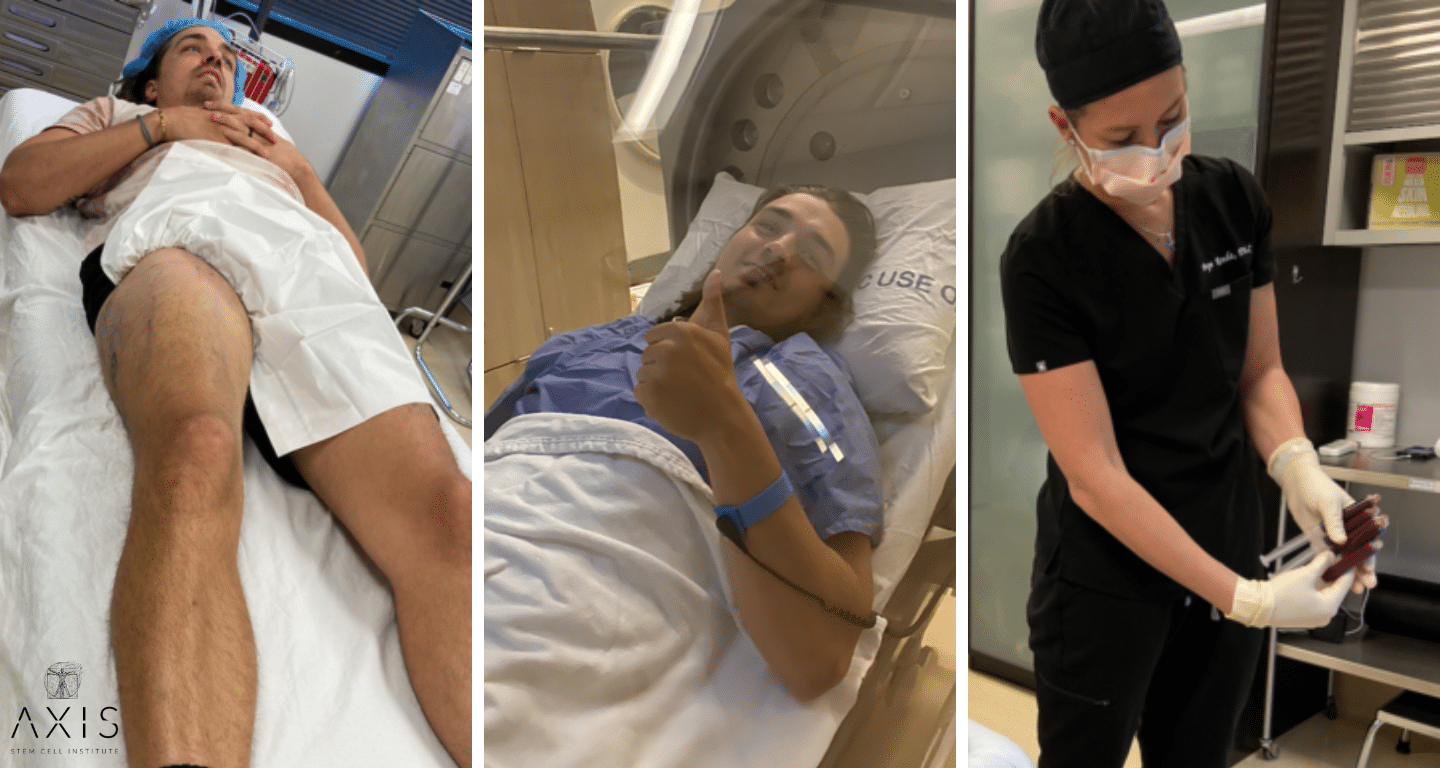
Bone Marrow Aspiration: Using image-guided techniques, bone marrow is aspirated from the pelvic bone. This is a simple procedure typically performed under local anesthesia. Most patients report manageable discomfort during this step.

Processing and Concentration: The harvested bone marrow is processed on-site to concentrate the regenerative cells, including mesenchymal stem cells and growth factors. Platelet-rich plasma may also be prepared at this time to enhance the therapy.

Targeted Injection: The concentrated stem cells are injected directly into the damaged tissue using image guidance to maximize precision and efficacy. This ensures cells reach the exact area where repair is needed.

Recovery: Most patients return to light activities within a few days. Temporary swelling or soreness at the injection site is common. Full recovery and individual results vary depending on the condition being treated and the patient’s overall health. Your provider will outline a personalized aftercare plan at your visit.

Why Patients Throughout the Greater Seattle Area Choose Axis Stem Cell Institute

Patients from Redmond, Kirkland, Bellevue, Issaquah, and the broader Seattle area choose Axis Stem Cell Institute because of our commitment to evidence-based, patient-centered regenerative medicine. Our holistic approach prioritizes your long-term health and well-being, not just short-term symptom relief.

We use advanced, image-guided techniques throughout every stem cell procedure to ensure precision and the highest standard of care. Our board-certified providers stay current with the latest research in stem cells and cell therapy, so you receive care built on a foundation of expertise and ongoing education.

Every therapy is individualized. We take time to understand your condition, your lifestyle, and your goals before recommending any therapy. Whether you are a busy professional in Redmond’s tech corridor, an active adult in Sammamish, or someone in Bellevue who has been suffering from chronic pain for years, our approach is built around you.

Our on-site surgery center is unique in the region, allowing us to complete the entire stem cell procedure under one roof with consistent quality control. We extract and re-implant live cells the same day to preserve maximum viability and efficacy.

Frequently Asked Questions About Bone Marrow-Derived Stem Cell Therapy

Ready to take the next step? Call (206) 415-2947 or contact Axis Stem Cell Institute to schedule your consultation.

What makes bone marrow-derived stem cells different from other stem cell types?

Bone marrow-derived stem cells, including mesenchymal stem cells and hematopoietic stem cells, are adult stem cells harvested from your own body. ย They carry fewer ethical concerns than other forms of stem cells and are drawn from a rich source already present within you. This makes bone marrow-derived stem cell therapy a well-studied and established approach in regenerative medicine.

How long does the bone marrow stem cell procedure take?

The entire stem cell procedure is typically completed in a single day at our Kirkland surgery center. Bone marrow is aspirated, processed, and injected in the same appointment, which means your cells remain live and viable throughout the therapy. Your care team will give you a specific time estimate based on your individual therapy plan.

Is bone marrow-derived stem cell therapy in Redmond, WA, right for me?

Candidacy depends on your condition, overall health, and therapy goals. Patients with chronic joint pain, osteoarthritis, or soft tissue injuries who are seeking non-invasive options often benefit from a consultation. Schedule a visit with our expert team at Axis Stem Cell Institute to find out whether stem cell therapy is appropriate for your situation.

What conditions can stem cell therapy help address?

Stem cell therapy may help patients suffering from knee pain, joint pain, cartilage degeneration, osteoarthritis, spinal conditions, and soft tissue injuries. The goal of cell therapy is to support the body’s ability to regenerate damaged tissue and reduce inflammation in the affected area. Individual results may vary, and your provider will discuss realistic expectations during your consultation.

How are bone marrow-derived stem cells injected?

Our providers use advanced, image-guided techniques to ensure cells are injected precisely into the injured tissue or affected joint. Image guidance improves accuracy and allows the regenerative cells to be delivered exactly where they are needed. This is a key component of our commitment to quality and safety.

What is recovery like after a stem cell procedure?

Most patients experience temporary soreness or swelling at the aspiration and injection sites, which typically resolves within a few days. Individual recovery varies depending on the therapy area and overall health. Your provider will walk you through a personalized aftercare plan and timeline before you leave our facility.

Is platelet-rich plasma used alongside stem cell therapy?

Platelet-rich plasma is often incorporated into stem cell therapy protocols to enhance the regenerative environment. The growth factors in platelet-rich plasma work alongside stem cells to support tissue repair and help the body heal more effectively. Your provider will determine whether combining these therapies is appropriate for your condition.

Do you serve patients from Redmond and the surrounding areas?

Yes. Axis Stem Cell Institute is located in Kirkland, WA, and serves patients throughout Redmond, Bellevue, Sammamish, Issaquah, and the greater Seattle area. Our location is easily accessible from the Eastside and surrounding communities. Call (206) 415-2947 to schedule your consultation.

Why use bone marrow instead of other stem cell sources like adipose tissue?

Both bone marrow and adipose tissue are established sources of adult stem cells. Bone marrow-derived stem cells, particularly mesenchymal stem cells, have an extensive record in orthopedic and musculoskeletal regenerative medicine. Our providers have refined their technique using bone marrow-derived stem cells to support the best outcomes for the conditions we treat. Your provider will discuss the most appropriate approach during your evaluation.

Start Your Regenerative Medicine Journey Near Redmond, WA

If chronic pain or joint degeneration is affecting your quality of life, bone marrow-derived stem cell therapy near Redmond, WA, may offer the regenerative support your body needs. At Axis Stem Cell Institute, Dr. Wilson Chang and Bryn Renda, PA-C, bring specialized expertise in regenerative medicine and stem cell therapy to every patient they treat. We are committed to providing individualized, evidence-based care in a state-of-the-art setting.

Patients throughout Redmond, Kirkland, Bellevue, Sammamish, and the greater Seattle area trust us to deliver honest, thorough, and compassionate care. We believe you deserve complete information and a personalized therapy plan built around your health and goals. Call us today at (206) 415-2947 or request a consultation online to take the first step toward healing. Individual results may vary.

Understanding Bone Marrow Stem Cells and Their Regenerative Potential

Bone marrow aspirate concentrate ( BMAC) has historically been one of the most widely used sources of mesenchymal stem cells, with over 50 years of medical applications and cases. BMAC as a source of stem cells are an excellent option for certain demographics looking to achieve tissue regeneration,antiinflammatory effects and joint health. BMAC offers an autologous source of tissue that harnesses the body’s own innate ability to heal. At Axis Stem Cell Institute, with locations in Kirkland, WA, and St. Petersburg, FL, patients have access to advanced treatments that use their own stem cells to promote restoration and wellness.

This in-depth guide explains what bone marrow stem cells are, how they work, and why they have become a leading option in the world of regenerative medicine.

What Are Bone Marrow Stem Cells?

Bone marrow derived stem cells, often referred to as bone marrow aspirate concentrate ( BMAC) or bone marrow derived mesenchymal stem cells, are specialized undifferentiated cells found within the marrow in the cortex of your bones. Bone marrow contains two primary types of stem cells:

Mesenchymal Stem Cells (MSCs)

These versatile cells can differentiate into tissues such as:

  • Bone
  • Cartilage
  • Muscle
  • Fat
  • Tendons and ligaments

Their ability to support tissue repair and regeneration makes MSCs foundational in many regenerative treatments.

Hematopoietic Stem Cells

These cells help form blood and immune cells. While essential, they are not the primary focus of most orthopedic or regenerative therapies.These cells are often used for patients experiencing congenital disorders of the blood.ย 

How They Differ from Other Stem Cells

At Axis Stem Cell Institute, three types of stem cells are used:

  • Bone marrow stem cells ( autologous)ย 
  • Adipose Derived stem cell ( autologous)
  • Umbilical cord stem cells ( donor)ย 

How Do Bone Marrow Stem Cells Work?

Bone marrow MSCs are undifferentiated stem cells that can produce other cell types that may be defective, damaged or in low quantity such as cartilage, bone and nerve cells. These undifferentiated MSCs form the progenitor cells of these tissue types like chondrocytes ( cartilage)ย  and osteocytes( bone) which then assist in the efficient healing of that tissue lineage.ย 

In regenerative medicine, practitioners enhance this natural process by collecting and concentrating the patientโ€™s bone marrow stem cells, then delivering them directly to the area where targeted healing is needed like joints and muscles. This allows the body to focus its restorative power in a more precise and efficient way.

Medical Applications and Benefits of Bone Marrow Stem Cells

Bone marrow stem cells are widely used in regenerative and orthobiologic treatments because they:

  • Support tissue regeneration
  • Encourage cellular repair
  • Reduce inflammation in targeted areas
  • Offer a natural, minimally invasive option
  • Are compatible with the patientโ€™s own biology
  • Can be combined with adipose-derived stem cells for enhanced results

Common Conditions They May Help With

Patients often seek bone marrow stem cell therapy for concerns such as:

  • Joint discomfort and osteoarthritisย 
  • Tendon and ligament injuries
  • Muscle tears
  • Cartilage deterioration
  • Degenerative musculoskeletal conditions
  • Chronic strain or overuse injuries

How Bone Marrow Stem Cells Are Collected

The collection process, called bone marrow aspiration, is performed in a comfortable clinical setting. Patients are often surprised by how quick and well-tolerated the procedure is . Your provider will collect a small sample of bone marrow from the posterior hip area using advanced imaging guidance while the patient is in a comfortable prone position. The team ensures the procedure is efficient and comfortable with the use of local anesthesia at the site. The collected stem cells are then processed, activated, and prepared for injection the same day.

Bone marrow stem cells may be combined with exosomes for increased efficiency./ Your provider will determine the best approach based on your treatment goals.

What to Expect During and After Treatment

Bone marrow extractions are completed in a comfortable outpatient setting on site at our Kirkland and St Petersburg facilities. After your bone marrow stem cells are collected and prepared, they are injected into the targeted area using precise, image-guided techniques.

Recovery & Results

All patients return home the same day and follow simple aftercare instructions for keeping the wound clean and dry as well as resting the area injected. The stem cells begin supporting repair and regeneration immediately , but often regeneration is not realized until 90 days post injection. Because every body heals differently, timelines vary, and your provider will guide you throughout your recovery.

The Science and Research Behind Bone Marrow Stem Cells

Bone marrow was one of the earliest recognized sources of mesenchymal stem cells, giving it a long history in the field of regenerative medicine. Today, research continues to explore MSCs for orthopedic healing, soft tissue repair, metabolic balance, and immune support.

Because they come from your own body, bone marrow stem cells remain one of the most trusted and widely studied sources for regenerative care.

Bone Marrow Stem Cell FAQs

How are bone marrow stem cells collected?

A small sample is taken from the hip bone using a minimally invasive aspiration technique. Patients typically report minimal discomfort.

What conditions can bone marrow stem cells help treat?

Many patients seek treatment for orthopedic concerns such as joint degeneration, ligament injuries, tendon damage, and chronic inflammation. Your provider will evaluate whether youโ€™re a good candidate.

Are bone marrow stem cell treatments safe?

Since the cells come from your own body, there is no chance of rejection and efficacy is typically high. At Axis Stem Cell Institute, all procedures follow rigorous standards for safety, precision, and patient comfort.

What is recovery like?

Patients will return home that day and rest for the next 72 hours. After that light activity can be resumed and home care like heating, massaging and stretching will begin. Providers offer clear aftercare instructions to support healing on an individualised basis for each patient.ย 

Are the results long-lasting?

Stem cell therapy supports natural healing processes, and many patients experience lasting benefits depending on their condition, lifestyle, and overall health. Results may vary depending on each patient case.ย 

Can bone marrow stem cells be combined with other therapies?

Yes, treatments may be paired with exosomes for enhanced recovery and healing

Contact Axis Wellness

If you have questions or concerns about your overall health through supplements, call Axis Wellness at 206-823-0960 or fill out our contact form to schedule a consultation.ย 


Sources

  1. Caplan AI. Mesenchymal stem cells: Time to change the name. STEM CELLS Translational Medicine.
  2. Pittenger MF et al. Mesenchymal stem cell perspective: Cell biology to clinical progress. NPJ Regenerative Medicine.
  3. National Institutes of Health โ€“ Stem Cell Basics

Bachelor Star Dean Unglert Undergoes Stem Cell & Exosome Therapy at Axis Stem Cell Institute in Seattle

Dean Unglert, a former โ€œBacheloretteโ€ and โ€œBachelor in Paradiseโ€ contestant and travel enthusiast, recently visited Axis Stem Cell Institute for stem cell and exosome therapy after a serious skiing accident in Switzerland. After a femoral fracture-dislocation, surgery to repair the damage, and five days spent in the hospital, Dean embarked on a lengthy recovery and began looking at options for regenerative medicine and ways to improve the healing process after a traumatic injury. AXIS founder and provider Bryn Renda states โ€œ we are pleased to have partnered with Dean and provide the best inย stem cell therapies for a smooth and successful recovery process for him .โ€

Sports Injuries and How Stem Cells Can Help

For patients who experience traumatic injuries and require surgery, stem cells can be an important part of the recovery process. In Deanโ€™s case, a femoral fracture-dislocation resulted in two separate parts of the femoral bone that needed to be brought back together with surgery. Bone marrow-derived stem cells combined with exosomes can be an effective way to create a more complete tissue repair and shortened healing time. In some cases, if recovery doesnโ€™t go as planned, the healing process can result in tissue that doesnโ€™t regenerate or heal completely, causing concerns like arthritis or pain. For Deanโ€™s active lifestyle, stem cell therapy was an integral piece to his therapy plan in making sure he could get back to his active lifestyle.

What Was Treatment Like?

For Deanโ€™s fracture, bone marrow-derived stem cells were injected into the bone to promote healing of the two broken parts that had been internally fixated in surgery. Cells were also injected into the joint
capsule to heal torn cartilage and prevent arthritis, and around the connective tissues of the hip that suffered damage during the dislocation injury. Overall, this promoted regeneration of the cartilage,
bone, and surrounding tissues with the help of exosomes which can help modulate inflammation and stimulate stem cell activity. This process can be helpful for both acute sports injuries and chronic degenerative conditions. Axis Stem Cell Institute specializes in both sports medicine and orthopedic conditions, commonly treating many joints including knees, shoulders, and hips.

Whatโ€™s the Timeline for Sports Injury Treatments?

When it comes to injuries, itโ€™s important to know that the quicker the injury is addressed and repaired with stem cell therapy, the better results youโ€™ll see. In many cases, stem cells can be used to treat pain from injuries and reduce the need for surgery or medication, so itโ€™s important to opt for stem cell therapy before opting for surgery. However, if surgery is necessary, stem cells can be used both before and after your operation to boost healing and reduce downtime. In Deanโ€™s case, it was roughly six months between surgery and a sky diving trip to celebrate, which is tremendous. Read more about his experience with our team on his blog.

Schedule an Appointment

At Axis Stem Cell Institute, weโ€™re excited to partner with you and help you get back the lifestyle that fits you best. To meet with our team and learn more about your options with regenerative medicine, we invite you to contact our office by calling or filling out our online form.

Why Stem Cells and Chiropractic Care Go Hand-in-Hand

Whether youโ€™ve ever been to a chiropractor or not, it might surprise you to learn that chiropractic care and stem cells can be a powerful combinationโ€” especially when it comes to pain management and injury recovery. If youโ€™re considering your options with either stem cells and chiropractic care, itโ€™s important to know your options and how you can benefit from both. Hereโ€™s what to know.

What is Chiropractic Care?

Chiropractic is a field of alternative care that focuses on the musculoskeletal and nervous systems through manual techniques. It often overlaps with other practices like osteopathy and physical therapy to address many different areas of the body where you might experience pain and discomfort because of misalignment of the musculoskeletal system and spine (called vertebral subluxation). Although chiropractors are not medical doctors (like your regular physician), they still undergo extensive doctorate programs and clinical training to become a Doctor of Chiropractic (DC).

How Is It Similar to Stem Cells?

Stem cell therapy and chiropractic care share many of the same goals and underlying methods. For instance, both operate on the idea that the body is self-healing and can bring itself back into its natural state with the right guidance. Additionally, both share the goal of reducing inflammation which contributes to pain and discomfort in certain areas of the body. Inflammation (whether because of an underlying condition or misalignment of the spine and musculoskeletal system) puts undue pressure on the nervous system and causes the pain of varying degrees. Finally, both practices share the overall goal of a healthier outlook and positive lifestyle choices so you can live your best lifeโ€” without a costly and intensive regimen of medications and pills.

How Can I Benefit from Both?

There are many different ways that a combination approach can help. The most common therapeutic approach for sports injuries and musculoskeletal pain includes a process where stem cells are injected to regenerate damaged tissues while chiropractic care can provide relief and reduce pressure on different points of the body. However, there are many other ways that you can benefit from a combination approach by our stem cell experts and chiropractic partners like aligning the spine for healthy fluid movement, as well as craniosacral adjustments that allow for a connection between brain, body, and gut. Additionally, a chiropractor has expertise in myofascial release and other modalities that allow stem cells to work at their highest capacity for effective healing.

Schedule an Appointment

Stem cells and chiropractic care have a lot to offer. If youโ€™re looking for the best in stem cell therapy and other forms of regenerative medicine, contact our Kirkland office by calling at 425.410.4468 or filling out our online form.

For the Best in Chiropractic treatment, we pride ourselves in partnering with only the top-notch chiropractic clinic in the Seattle area at Webber Chiropractic Sports Clinic. Dr. Mark Webber has been practicing for 20 years. He is a sport-oriented, a family chiropractor who is very passionate about personalized care with all his patients. To schedule, an appointment with Webber Chiropractic call 425 889 2882 or to find more information visit webberchiropractic.com.

Chronic Pain by The Numbers: What to Know and What to Do About It

Itโ€™s important to know that youโ€™re not alone when it comes to chronic pain. In fact, according to a report in 2018 by the Centers for Disease Control and Prevention, some estimates about the number of adults nationwide who suffer from chronic pain range from 11-40%. Additionally, the report states that around 8% of adults in the U.S. suffer from a more specific classification called high-impact chronic pain, or pain that means you canโ€™t maintain your daily activities.

Unfortunately, modern medicine still has a long way to go when it comes to managing chronic pain in ways that donโ€™t involve a regimen of pills and high cost. Stem cell therapies and regenerative medicine have shown promise where traditional treatment methods donโ€™t, so letโ€™s look at some of the most common forms of chronic pain and how stem cells can help.

Osteoarthritis

One study estimates that about 27 million adults in the U.S. suffer from osteoarthritis, sometimes called degenerative arthritis. Unlike some other types of arthritis, osteoarthritis can come with constant pain that doesnโ€™t resolve even when staying still. This makes it one of the leading causes of disability worldwide. The pain often stems from degeneration of the jointโ€™s soft tissues which normally allow the bones to glide and move. When these tissues degenerate, the bones move against each other. Without treatment, osteoarthritis can become worse.

Stem Cell therapy has shown effectiveness in regenerating the important tissues of the joints, treating the underlying causes rather than focusing solely on pain management. For the 27 million adults in the U.S. who experience difficulty going about daily activities because of degenerative joint pain, stem cells can have huge potential.

Chronic Back Pain

Lower back pain is experienced by almost 80% of adults at some point in their lives. In fact, itโ€™s one of the leading causes of missed work days and job-related disability. For some people, it can be sharp and suddenly debilitating, while for others it can be dull and constantly throbbing. Chronic back pain is often defined as lasting for 12 weeks or longer, even after the initial injury or cause subsides. There are a range of causes, from sprains and strains to spinal disc concerns to pinched nerves. Unfortunately, all of these factors can drastically limit your activity level and donโ€™t have many options outside of pain medications.

Whether the result of nerve damage, tissue degeneration, or inflammation, stem cells are an effective option to regenerate tissues and relieve pain. This means you can get back to the things you love with long-term results.

Fibromyalgia

Itโ€™s estimated that about 5 million people in the U.S. suffer from fibromyalgia and is classified as one of the most common chronic pain conditions. This condition is complex and not well understood, but it manifests as chronic pain and other debilitating symptoms that can require a life-long battle. Because itโ€™s thought to be caused by misunderstandings by the brain and nerves during everyday sensations like touch or pressure, there are few options for treatment outside of managing pain.

Stem cells have shown promise when it comes to decreasing chronic pain by reducing inflammation and regenerating important tissues like nerves. It is also important to understand that there is an underlying cause of Fibromyalgia that many standard physicians donโ€™t search for. For patients with fibromyalgia who experience regular pain and associated symptoms, relief with stem cells can be life-changing.

Schedule an Appointment

Chronic pain can come with a high cost to your budget, your lifestyle, and your health. Itโ€™s time to look at your optionsโ€” to learn more about breaking free of chronic pain with the latest in regenerative medicine, contact our Kirkland office by calling or filling out our online form.

Stem Cells for Post-Concussion Syndrome: Does It Work?

Whether youโ€™re a sports junkie or not, itโ€™s likely that youโ€™ve heard some of the discussion about sports concussions over the past few years. The issue was brought to widespread attention by a collection of studies performed in the early 2000’s that reached conclusions about football playersโ€™ long-term health when regularly sustaining blows to the head over the course of a career. This was most evident in retired football players who experienced symptoms of a type of brain injury called CTE, or chronic traumatic encephalopathy. However, there are many other known contact sports such as boxing, hockey, soccer, and professional wrestling that place athletes at risk for brain injury and many that experience symptoms because of it.ย 

This isnโ€™t just a concern that affects professional athletes, either. More recently, concerns have turned to early manifestations of brain injury in even high school-level sports. Unfortunately, we know too little about the brain and the injuries that affect it. One therapy that has shown promise, however, lies within the specialty of regenerative medicineโ€” specifically in the use of stem cells for traumatic brain injuries.

What is a concussion and how does it happen?

Concussions are also known as mild traumatic brain injury, although the classification and definition is still under debate. It often happens when sustaining force during events like a car accident, sports injuries, or falls. Usually, these events produce enough force (either directly or indirectly) that the cerebrospinal fluid which normally cushions the brain canโ€™t fully absorb the movement. This allows the brain to impact the inside of the skull, causing inflammation and disruption of the brainโ€™s important functions.ย 

What are the symptoms?

There are many different symptoms that can manifest quickly after a concussion. Physical symptoms usually include dizziness, vomiting, disrupted vision, difficulty balancing, tinnitus, and poor motor coordination. There can also be other incorporated symptoms like disorientation, amnesia, incoherent speech, and overall difficulty performing cognitive functions like concentrating and reasoning. While these symptoms often subside within days or weeks, sometimes long-term symptoms can manifest (called post-concussion syndrome) for months or years.

What is CTE?

CTE, or chronic traumatic encephalopathy, is the result of multiple concussions and minor traumatic brain injuries. The symptoms often manifest years after the initial injuries, however, they also share many similarities to the symptoms of dementia and Alzheimerโ€™s. Unfortunately, the most effective way to diagnose CTE is through a tissue examination after death. This means the options for effective treatment method are low, and there is currently no cure for CTE.ย 

Can stem cells help?

One area where stem cells show the most promise is in reducing inflammation in the brain after a traumatic brain injury. Often, inflammation is the most damaging aspect of an impact and causes the telltale disruption in cognitive functions after a concussion. Using stem cell intervention shortly after injury, one clinical study showed that it can reduce inflammation and preserve the important structures of the brain. Another aspect of stem cell therapyfor brain injuries shows they may be able to effectively regenerate tissues damaged by the impact of a concussion like neurons and cerebral tissue. It was thought for a long time that neurons donโ€™t regenerate, and that each person has a set amount of them for life. However, itโ€™s now thought that they do regenerate, just extremely slowly. This shift in understanding comes with the hope that we can now enhance and speed up this process.ย 

Although many aspects of regenerative medicine are still under study, itโ€™s possible that stem cells could be the treatment of choice in the future for preventing further damage and restoring cognitive functions after brain damageโ€” not just in cases of concussion or injury, but in many other neurological conditions as well.

Schedule an appointment

When it comes to boosting cognitive function and reversing damage from trauma to the brain, stem cells can be an effective solution. At Axis we also offer therapies for many other neurological and neurodegenerative conditions. For a list of conditions check out our website! To meet with our stem cell experts and discuss your options for treatment, contact our Kirkland office by calling or filling out our online form.

Why Stem Cell Therapy?

In the current era of modern medicine, achieving and maintaining wellness hinges on surgical and pharmaceutical interventions. Many Americans are over medicated, misdiagnosed, and struggling to feel healthy again. Not to mention, surgery can pose significant risks and many medications cause serious side effects. Although medications and surgery will always play an important role in many medical conditions, our current healthcare system has lost focus on the body’s innate ability to heal and the promotion of whole-body wellness.

Eliminating the Need for Unnecessary Medications and Surgeries

Stem Cell therapy uses the body’s own cells to heal and rejuvenate injured tissues without the use of medications. It is a non-pharmaceutical, non-surgical, holistic therapy to promote recovery and wellness. The cells are extracted from your own body in a minimally invasive procedure under local anesthesia with little or no pain, and re-injected at the desired location. These cells can also be applied intravenously to diffuse throughout the entire body to reduce tissue injury and inflammation caused by various systemic diseases that can affect the whole body. These therapies can reduce or eliminate the need for surgery and medications that can have serious side effects, risks, and prolonged recovery time. Not to mention, stem cell procedures are performed with little or no pain, and do not require the use of pain medications. There are no major side effects and minimal recovery time. Stem cell therapies have been used to treat various conditions ranging from arthritis and musculoskeletal injuries to autoimmune diseases and chronic inflammation.

Promotion of Whole-Body Wellness

In conjunction with your stem cell treatment, our team will help you achieve your body’s optimal health with an individualized whole-body wellness program including nutrition and supplements that is designed just for you. Many modern medical therapies tend to focus on treatment of symptoms and fail to recognize the key importance of whole-body wellness to achieve overall health. At Axis, we strive to find the root cause of illness and inflammation and design a whole-body wellness program just for you that incorporates diet, gut health, nutrition, and supplements.

Let Us Know How We Can Help YOU!

At Axis Stem Cell Institute, we are at the forefront of the future of medicine by providing the latest applications of regenerative medicine. We are excited to help you live your best life. Contact our team today to schedule your consultation!

Stem Cells and Sports Injuries: Innovating with Regenerative Medicine

If you lead an active lifestyle, then a sports injury can mean a long, hard recovery process that prevents you from doing the things you love most. If youโ€™ve had a sports injury before, then you know that traditional treatments can include difficult things like surgery, lengthy physical therapy, and long periods of rest. One exciting new option in the Kirkland area is adult stem cell therapy, one of the leading options in regenerative medicine. ย Hereโ€™s what to know about this exciting new option and how it can help.

What is a sports injury?

Sports injuries can present in a lot of different ways for active individuals. Most often, they affect the musculoskeletal system which includes the joints, muscles, and bones. Injuries to these tissues include broken bones, fractures, bruising, dislocations, separations, swelling, and ligament tears. Because of the nature of these injuries, you can experience a lot of pain during even small movements which may require a long time to heal. Some injuries donโ€™t ever fully heal, meaning your active lifestyle might not be the same going forward. Unfortunately, traditional treatment methods for sports injuries arenโ€™t as effective as they could be when it comes to getting you back to the activities you love. Stem cell therapy is a great, non-invasive way to bring healing and repair to your injured tissue to ensure longevity and recruit the bodyโ€™s natural healing process.

Who can benefit from stem cell treatments?

Patients who can benefit most from stem cell therapy for sports injuries are those who are looking for an alternative to conventional treatment methods such asย surgery, or those who have experienced failed surgical results. Some patients have also been told they are not good candidates for these conventional treatments and can thus benefit from stem cell therapy. Adipose-derived stem cell therapy, sometimes called SVF (stromal vascular fraction), requires a simple minimally-invasive procedure to collect fatty tissue in office. No pain pills or crutches required.

How do stem cell treatments for sports injuries work?

Stem cells that are derived from adipose tissue are one of the best options when it comes to regenerating tissues. This is because adipose tissue contains high amounts of mesenchymal cells, which are adult stem cells known for their effectiveness in regenerating tissues involved in the bones, muscles, and cartilage. Treatment begins with a quick and easy collection process, after which the cells are prepared and made ready for injection. After theย stem cells are injectedย into the injured area, you can return home. This process occurs over the course of the same day so that your stem cells are most effective and potent.

Do stem cells really work?

Stem cells are growing in popularity within the new field of regenerative medicine and we have a lot to learn about their limits and possibilities. However,ย stem cell treatmentsย for knees, joints, and muscles are rapidly growing in demand because of their effectiveness and results. Currently, stem cell therapies have shown great promise in speeding healing, reducing inflammation, restoring important structures, and relieving pain. Additionally, they have a lot of benefits when it comes to availability and safety. This means that stem cell therapies may become a treatment of choice in the future when it comes to sports injuries and chronic conditions!

Schedule a Consultation

Itโ€™s clear that stem cells have a lot of potential in both the medical and cosmetic fields, and weโ€™re excited to partner with Axis Stem Cell Institute so you can begin exploring your options with regenerative medicine. To get started or to learn more about your options, check out the experts in regenerative medicineย here.

Stem Cells and Anti-Aging: How it Works

If youโ€™ve paid attention to the latest in the cosmetic industry, youโ€™ve probably heard of stem cells as a growing anti-aging therapeutic option. Although there are a lot of effective anti-aging options in the Kirkland area, some patients stay away from them because of higher risks, manufactured ingredients, and a requirement for surgery and downtime. This means that stem cells can be an excellent option if these factors are important to you. Hereโ€™s what to know about anti-aging therapies with stem cells and how they can help.

How do anti-aging stem cell therapies work?

An integral facet of the aging process is that your bodyโ€™s rejuvenating processes slow down. This manifests in a lot of ways like healing and the immune system. When it comes to visible aging, this means your body becomes less effective at turning over cells and restoring collagen to support the skin. It can also affect your and their growth patterns.

Adipose, or fatty tissue, is rich in mesenchymal stem cells which are effective at making sure your body can quickly repair itself. Additionally, itโ€™s rich in growth factors which help with cellular activity. When adipose-derived stem cells are injected into areas that have slowed their growth or rejuvenation process because of aging, it can jumpstart them again.

What can stem cells do?

Itโ€™s important to note that stem cells as an anti-aging mechanism are still being developed and studied, so we donโ€™t know the full extent of what they can do. However, a few areas have shown promise. The foremost is facial therapies using adipose-derived stem cells, which can help restore the matrix of collagen and elastin in the deep layers of the skin. When paired with techniques like microneedling, it can also boost cell turnover which can contribute to reduced wrinkles and signs of aging.

Additionally, stem cell therapies have produced great results when it comes to. These mesenchymal cells and growth factors can jumpstart slowed with injection or microneedling treatments. In both therapies for face and hair, youโ€™ll require a few sessions for best results.

What about PRP?

PRP, or platelet-rich plasma, is another treatment method rising in popularity. PRP is rich in growth factors and tightly-bound proteins which can improve healing and growth where injected. Although PRP shares some of the same mechanisms and end goals, there are some reasons to pick stem cells over PRP. While PRP can be very beneficial in aesthetics, it lacks mesenchymal stem cells which can limit its overall potential, unlike adipose derived stem cells. This is something to consider when determining whatโ€™s best for your goals. During treatment, PRP requires only a simple blood draw while adipose derived stem cell therapy can require more invasive methods, which is also something to consider. The best way to determine the right method for you is through a consultation with our stem cell experts.

Schedule a Consultation

The cosmetic industry is constantly innovating, and stem cell therapies are one exciting option thatโ€™s beginning to grow. To begin discussing the right anti-aging therapy for you and your goals, contact our Kirkland office by calling or filling out our online form.

Contact Us