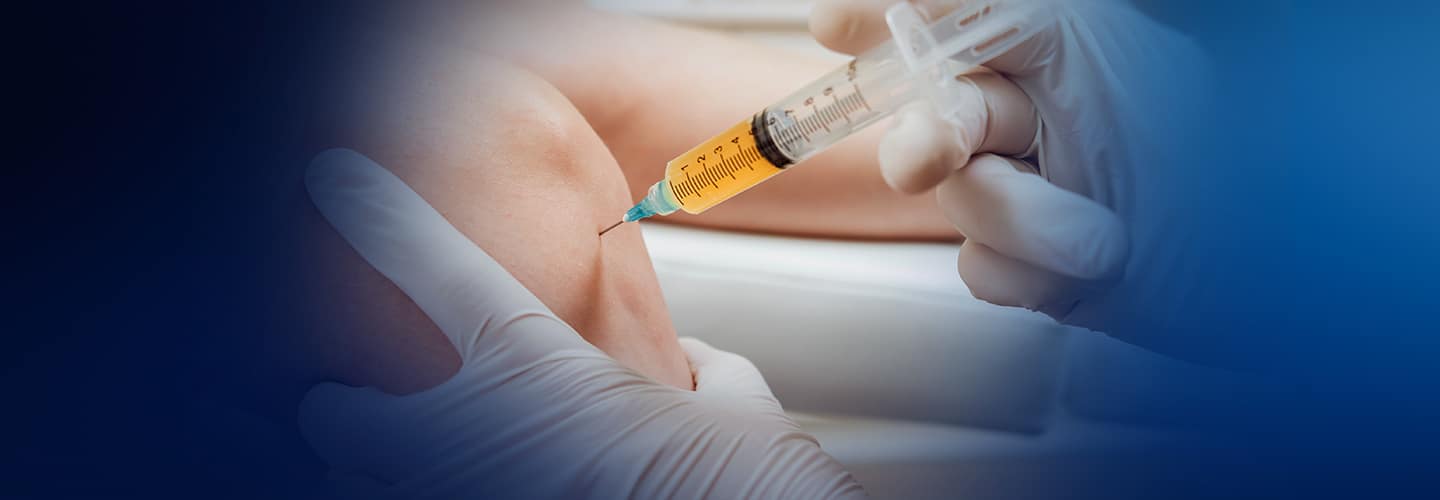

WHAT IS PLATELET-RICH PLASMA?
PRP, or platelet-rich plasma, is a protein-saturated derivative of your blood plasma. PRP contains concentrated platelets, with a platelet concentration 5 to 10 times greater than what is typically found in blood, which is thought to contribute to its effectiveness. In PRP there are tons of growth factors whose job is to stimulate and upregulate the body’s healing response. PRP stimulates healing, cellular growth, and tissue repair. PRP is injected into the area of need and can be used for a multitude of musculoskeletal pains, sports injuries, and tissue inflammation. PRP can be used in both medical and aesthetic procedures because of its ability to increase collagen synthesis, which aids in thickening and tightening newly-formed skin cells.
Patients often ask how platelet-rich plasma in Tampa, FL compares with other regenerative options.
HOW IS PRP COLLECTED?
The process of platelet-rich plasma (PRP) extraction and application begins with blood drawn from the patient via simple venipuncture. The blood sample is then placed in a centrifuge in order to separate the plasma from the red and white blood cells. The PRP is then activated with light and enhanced with peptides before it is prepped for injection. Once PRP is applied to damaged tissue an inflammatory cascade will commence stimulating the body’s natural helper cells and allowing for a new efficient healing process to ensue.
WHAT CAN I EXPECT DURING THIS PROCESS?
Procedures are completed at our on-site outpatient facility by compassionate and highly-trained board-certified providers with experience in blood draw, processing, and injection using a precise, image-guided technique. PRP injections usually take about 30 minutes to perform, depending on the area being treated. During the blood draw step, our providers can ensure that you’re comfortable and relaxed, with a full understanding of the PRP treatment process.
WHAT HAPPENS AFTER PRP INJECTION?
The enhanced regenerative process occurs because the plasma is rich in proteins and growth factors which speed up the cellular processes your body uses in order to heal and recover. PRP can take a few weeks to months to fully produce results, but there’s no downtime required and you can return to your normal, moderate activities within a week or so. Your expert provider can give you the best idea of what to expect for your specific procedure during a consultation.
HOW MANY TREATMENTS WILL I NEED IN SEATTLE, WA?
The number of treatment sessions of platelet-rich plasma varies widely by the type of treatment being performed. Most patients benefit from having more than a single treatment. Medical appointments, such as for sports injuries, may be scheduled every 4 months throughout the course of healing.
WHAT ARE THE BENEFITS OF PLATELET-RICH PLASMA THERAPY?
PRP has shown promise in healing certain injuries to the tendons, ligaments, and muscles, particularly by enhancing wound healing and soft tissue regeneration through the release of growth factors. Research studies have shown that PRP injections can improve outcomes for certain tendon problems, including chronic tendon injuries such as tennis elbow , patellar and achilles tendinitis.
Compared to other standard westernized medical treatments like cortisone injections, hyaluronic acid, and physical therapy, PRP therapy may offer greater benefits for specific conditions and is not detrimental to the tissue.
PRP has also been utilized to improve healing and minimize the appearance of scar tissue after certain surgeries when it’s injected at an incision site. PRP has also become widely popular in its cosmetic uses, like the vampire facial and is often used as suspension for stem cell therapy in most of our treatments.
COMMON USES OF PRP THERAPY
- Decrease inflammation in soft tissue and joints
- Repair for muscle strains and ligament sprains
- Cosmetic applications due to increased collagen production
- Suspension for stem cells
- Microneedling to reduce the appearance of scars and fine lines.
PRP injections can be performed quickly and easily, meaning patients can receive effective care without extensive wait times and appointments.
COSMETIC USES OF PRP THERAPY
In addition to the proven benefits for medical PRP treatments, research now points to cosmetic issues that can be addressed with platelet-rich plasma. PRP is increasingly used in cosmetic procedures to improve skin texture, reduce signs of aging, and address concerns such as wrinkles and sagging skin. PRP when combined with microneedling can reduce the appearance of scars, and boost the production of collagen
At Axis Stem Cell Institute, we can also use platelet-rich plasma for what’s called a “vampire facial.” This is a non-invasive procedure that combines microneedling with PRP therapy to encourage the formation of cells called fibroblasts, which produce collagen and elastin proteins that help your skin stay tight and elastic, improving your appearance in the long run.
To find out what other treatments platelet-rich plasma can be used to help you gain confidence in your appearance, call us to schedule a consultation with one of our board-certified providers. Please note that many insurance plans do not provide coverage for PRP injections, especially for cosmetic purposes.
YOUR TIME IS NOW
At Axis Stem Cell Institute, we advocate for a healthy lifestyle and a healthy approach to regenerative healing using the latest and most trustworthy sources in scientific research. Many patients experience disorders that can greatly affect their quality of life and comfort, and they often feel like they have few treatment options or answers.
We provide the best options for non-invasive stem cell and PRP treatments by our expert providers who stay up-to-date on the best techniques for you and your unique circumstances. PRP treatments can be an effective option for patients looking for healing and regenerative medicine without invasive techniques.
To discuss whether platelet-rich plasma is the best option for you and your health needs, contact usling out our online form. Our expert patient coordinators can assist you with booking a consultation with our PRP specialists at our Kirkland office.
Platelet-Rich Plasma FAQs
Can PRP cause blood clots?
If injected properly there should be no concern that PRP may cause a blood clot where injected. It is important to discuss your concerns with a licensed medical provider who has been trained in regenerative medicine and the skilled techniques involved.
Can PRP injections heal a torn rotator cuff?
PRP can help support the body’s natural healing process which repairs our tissue. This includes promoting a decrease in inflammation and stimulation of collagen repair in an area like the tearing of a rotator cuff. Typically PRP is used for minor injuries and micro-tears, while Stem cell is indicated for larger injuries and tears.
Can PRP regenerate cartilage?
PRP can help nourish cartilage in areas where the tissue has been damaged and help to slow the degradation over time. However, in talking about regenerating cartilage, bone, nerve, or blood vessels stem cells would be better indicated.
Can you eat before PRP injections?
On the day of your PRP injections, you are encouraged to eat a full, balanced meal and make sure you are hydrated prior to your appointment.
Can you exercise after PRP injections?
Your post-injection instructions will be discussed following injection and be tailored to your injury specifically which may vary from patient to patient. Generally speaking, you will be able to walk and complete your day-to-day activities following your injection. Your exercise regimen will be modified for a short period of time to ensure the completion of the healing process.
Can you walk after PRP injection?
Yes, you can walk after your PRP injections. Your provider will give you the best idea of what you can expect following your treatment.
Do you have to do PRP forever?
PRP may be indicated as a one-time treatment or used on an intermittent basis. There is no limit to the amount of PRP treatments you may receive overtime.
Does insurance cover PRP injections?
Generally speaking, insurance typically does not cover PRP injections.
Does platelet rich plasma contain stem cells?
PRP or platelet-rich plasma does not contain stem cells but acts to stimulate the bodys natural healing mechanisms which recruit the bodys dormant stem cells to injured tissue. PRP contains reparative growth factors and regulatory proteins that promote healing.
Does platelet rich plasma therapy help arthritis?
PRP may help to decrease inflammation, provide lubrication and slow the rate of degradation in arthritis. PRP cannot regenerate cartilage in the manor that stem cells function.
Does PRP have any side effects?
Injection of PRP comes with little to no side effects. Possible side effects may include soreness, redness, irritation, or bruising at the injection site which typically resolves in a couple of days. Your medical provider will discuss all aspects of treatment prior to your visit including what to expect after injection.
Does PRP heal tendon tears?
PRP works to heal damaged tissue like ligaments and tendons through the release of specific growth factors that target tissue repair, inflammatory modulation, and blood flow.
Does PRP reduce inflammation?
PRP helps to reduce inflammation to damaged tissue by introducing growth factors to the area which stimulate healing, promote collagen repair and modulate the inflammatory cascade.
Not ready for an appointment? ask us below!

Bryn Renda, PA-C is the founder and provider at Axis Stem Cell Institute and a nationally board-certified Physician Assistant specializing in regenerative medicine and stem cell therapy. A retired professional athlete, she began her career helping athletes regain pain-free mobility and function, and now works with patients pursuing whole-body wellness through a naturalistic, holistic approach. She holds national and international certifications in the extraction and application of stem cell therapies, including certification from the International Society for Stem Cell Application, and has practiced in the field for more than five years. She earned her Master of Clinical Medical Sciences and Physician Assistant degree at Barry University and holds active licenses in Washington and Florida.